Top China Metal Extrusion - Hot Die Forging Hydraulic Press Suppliers: A Quality and Capacity Comparison
Chongqing, China Oct 24, 2026 (Issuewire.com) - Top China Metal Extrusion & Hot Die Forging Hydraulic Press Suppliers: A Quality and Capacity Comparison
Executive Summary
Procurement managers require structural reliability and precise pressure control to mitigate breakdown risks in heavy-duty manufacturing. Selecting a China high-quality Hot Die Forging Hydraulic Press Supplier ensures component structural integrity, optimized material utilization, and consistent throughput across high-volume automotive and aerospace production cycles.
Understanding Technical Bottlenecks in Heavy-Duty Metal Forming
Procurement specialists and plant engineers face distinct operational hazards when managing high-tonnage metal deformation systems. Under continuous shift operations, hydraulic systems frequently suffer from structural fatigue, micro-cracks in the main cylinder, and fluid temperature spikes. These issues compromise dimensional tolerances. In hot die forging and extrusion setups, a single millimeter of frame deflection under full pressure can misalign the dies, causing uneven wall thickness in extruded tubes or flash defects in forged steering knuckles.
Material waste presents another persistent operational challenge. Traditional heavy machinery often requires extensive subsequent machining due to thick flash lines or excessive scaling. When working with expensive raw materials like titanium alloys, stainless steel, or high-strength aluminum, small variations in volume distribution result in significant financial losses over annual production runs.
Equipment downtime introduces substantial financial risk. A unexpected main seal failure on a heavy press can halt an entire automotive stamping or component line, costing manufacturing facilities thousands of dollars per hour. For buyers evaluating a China high-quality Hot Die Forging Hydraulic Press Supplier, the decision involves assessing long-term mechanical reliability, structural stiffness under cyclic loads, and the supplier's field service engineering capabilities rather than focusing solely on initial acquisition costs.
Mitigating Operational Risks with Advanced Hydraulic Systems
Modern engineering address these performance bottlenecks through enhanced structural configurations and dynamic hydraulic management. The implementation of finite element analysis (FEA) optimized prestressed tie-rod frames provides the necessary structural stiffness to minimize angular deflection under maximum eccentric loading conditions. This mechanical stability ensures that during deep extrusion or rapid hot die forging sequences, the slide block maintains parallel alignment with the lower bolster, protecting die tooling and ensuring part dimensional accuracy.
To minimize material waste, current systems utilize near-net-shape forming methodologies, including non-cutting chip processing techniques. Advanced digital control systems govern proportional valves to manage speed and pressure changes throughout the stroke. For example, during a complex warm forging process, the press can execute a rapid approach, a controlled deceleration right before die engagement, and a sustained hold at peak pressure to facilitate complete material flow into intricate die cavities. This exact control reduces material waste and yields high surface finish quality, eliminating the need for aggressive secondary machining.
System reliability is reinforced through integrated auxiliary cooling networks and multi-stage filtration units that maintain hydraulic oil within optimal viscosity ranges. Leakage prevention is achieved by using heavy-duty, low-friction composite seals capable of enduring sustained high-cycle operations without degrading. By combining robust frame construction with digital hydraulic management, modern manufacturing systems deliver stable operational duty cycles, helping factories meet strict production schedules without unscheduled maintenance interventions.
Industrial Application Profiles Across Demanding Sectors
The functional versatility of a heavy-duty press is demonstrated by its performance across different industrial sectors, each presenting unique engineering demands.
In the automotive manufacturing sector, components such as engine crankshafts, transmission gears, steering system drive shafts, and chassis structural members require high grain refinement and structural integrity. A typical production scenario involves an automated multi-station forging line where pre-heated steel billets move sequentially through upsetting, pre-forming, final forging, and trimming operations. The hydraulic unit must deliver rapid cycle times and consistent tonnage to process the metal while it remains within the optimal thermal processing window. This reliable repetition ensures high component density and uniform fatigue resistance across large production runs.
The aerospace and national defense sectors require precise processing parameters due to the use of challenging alloys like titanium and nickel-based superalloys. Components such as turbine discs, structural bulkheads, and rocket motor casings are formed using specialized techniques like isothermal forging or superplastic forming. In an aerospace manufacturing environment, the press must maintain slow, precise deformation speeds--often measured in fractions of a millimeter per second--under sustained high temperatures. The system must also log real-time pressure, stroke position, and temperature data to comply with strict aerospace traceability standards.
For light industrial manufacturing and high-volume electrical equipment production, the emphasis shifts to high throughput and operational versatility. Facilities fabricating stainless steel water sinks, power tool housings, copper electrical connectors, and household appliance panels rely on deep drawing and multi-station stamping capabilities. Here, the system must accommodate quick die change operations and feature broad bed dimensions to handle diverse tooling layouts, allowing manufacturers to adapt rapidly to changing market demands.
Evaluating Manufacturing Infrastructure and Technological Foundations
Assessing a production partner's industrial background and technological foundations is essential for ensuring long-term project success. Chongqing Jiangdong Machinery Co., Ltd. (JD Machinery) provides an operational example of industrial scale and technical history within this specialized sector.
our company's story goes all the way back to 1937, when it was first founded in Nanjing. Shortly afterwards, the war broke out , to safeguard the nation's industrial lifeline, the factory was moved inland along the Yangtze River. It finally settled right on the banks of the Yangtze in Wanzhou -- a place our older generation of workers still calls "Shekou." From that riverside plant, we kept producing precision equipment through those difficult years.
But it wasn't until 1978 that we finally found our true calling: we poured all our engineering strength into R&D and manufacturing of hydraulic presses. And that is the business we have been in ever since.
Today, we produce a full range of hydraulic presses, with rated capacities from 100 tons all the way up to 15,000 tons.
The company's research and development capability is supported by ongoing scientific innovation, resulting in numerous patent achievements and international certifications, including ISO9001 and European CE mark compliance. Company engineers focus on specialized forming sectors, including automotive lightweighting solutions, hot stamping technologies, hydroforming systems, and carbon fiber compression molding. This technical expertise allows the enterprise to support global distribution networks across southeast Asia , Europe, the Americas, Africa, and middle east market, providing technical alternatives to traditional heavy machinery brands by delivering equivalent performance standards with responsive global field service support.
Production Frameworks: Standard Versus Multi-Station Systems
Selecting the appropriate equipment configuration depends on the target production volume, part complexity, and required manufacturing flexibility.
Standard heavy-duty forging presses are typically utilized for low-to-medium volume production runs or for fabricating massive single components like large industrial shafts, heavy flanges, or large aerospace housings. These systems feature large open heights and wide bed areas, enabling operators to manipulate heavy billets using industrial manipulators or overhead cranes. A standard press offers high process flexibility, allowing engineers to adjust stroke lengths, dwell times, and pressure settings for varied short-run production batches without complex line changeovers.
Conversely, for high-volume, continuous manufacturing environments, an automated multi-station extrusion and forging production line is preferred. This configuration integrates a series of progressive die stations within a single press frame or links multiple presses using high-speed mechanical transfer arms or robotic handling systems. The raw material enters as a sheared billet at one end, passes through progressive shaping steps, and emerges as a finished component at the discharge conveyor. This automated setup reduces manual material handling, optimizes thermal efficiency by minimizing heat loss between forging stages, and increases parts-per-minute output, making it highly effective for standard automotive components.
Strategic Guide to Selecting a Top China Hot Die Forging Hydraulic Press Manufacturer
When procurement managers evaluate potential equipment partners, relying solely on commercial brochures is insufficient. The qualification process requires a systematic review of the builder's technical capabilities and engineering standards:
- Verify Frame Design Integrity:Review the manufacturer's finite element analysis documentation. Ensure the frame structure--whether a monolithic H-frame or a multi-piece prestressed tie-rod assembly--is rated for the planned eccentric loads to prevent long-term fatigue cracking.
- Audit Component Sourcing:Inspect the bill of materials for critical subsystems. High-reliability machinery should incorporate proven, internationally supported brands for proportional hydraulic valves, digital PLC controllers, and high-pressure main pumps to simplify long-term spare parts sourcing.
- Assess Automated Integration Capabilities:Determine if the supplier can engineer complete production systems, including billet heating units, automated material transfer mechanisms, automated die lubrication systems, and post-forging trimming setups.
- Evaluate Factory Acceptance Testing (FAT) Protocols:Confirm the builder performs full-tonnage, hot-testing validation procedures prior to disassembly and shipping, rather than relying solely on no-load operational checks.
By focusing evaluation criteria on these core operational parameters, international industrial buyers can establish stable supply agreements with a Top China Hot Die Forging Hydraulic Press Manufacturer, securing production machinery that matches global performance standards.
Frequently Asked Questions regarding Heavy Hydraulic Machinery
What concrete quality inspection protocols are performed before shipping from a China Best Hot Die Forging Hydraulic Press factory?
Reliable manufacturing facilities implement multi-phase verification processes before equipment shipment. This includes 100% component inspection, comprehensive non-destructive testing (NDT) on critical welded or forged frame structures, and continuous no-load operational testing to verify system thermal stability. Furthermore, full-tonnage pressure retention tests are conducted to check the integrity of hydraulic circuits and seals. Customers typically receive detailed validation reports, material certificates, and test logs, and they can choose to witness factory acceptance testing either in person or via high-definition digital video streams.
How do international logistics, protective packaging, and on-site assembly processes work for heavy industrial machinery?
Heavy presses are carefully disassembled into transportable modules, with precision-machined surfaces treated with anti-corrosion compounds and wrapped in moisture-resistant barriers. Structural weldments are secured inside heavy-duty ocean shipping containers or flat-rack units using heavy steel tie-downs to prevent shifting during transit. Upon arrival at the buyer's site, the manufacturer dispatches field service engineers to oversee foundation placement, structural reassembly, hydraulic line interconnection, electrical wiring, and final commissioning alongside the customer's local maintenance team.
What technical support procedures are available if a critical hydraulic system fault occurs during production?
Industrial equipment builders provide multi-tiered technical support to minimize factory downtime. Initial troubleshooting is handled through 24-hour online technical support, where factory service engineers connect via remote diagnostic modules embedded in the machine's PLC system to read fault codes and adjust control parameters. If a mechanical issue cannot be resolved remotely, field engineers are deployed to the customer's facility to conduct on-site repairs, component replacements, and system recalibrations. Standard equipment warranties generally cover twelve months, with options available for extended service agreements.
Source :Chongqing Jiangdong Machinery Co., Ltd.
This article was originally published by IssueWire. Read the original article here.
More News

4 pilots killed in mid-air collision of Philippine military planes
Two Philippine Air Force aircraft crashed during a training flight at an air base south of the capital Manila, killing four pilots, the military said on Saturday. The aviation accident on Friday involved two SF-260 aircraft at the Fernando Air Base in Batangas province, the Philippine Air Force said in a statement. “Both aircraft went down within the base perimeter, with no other casualties reported,” Philippine Air Force spokesman Colonel Alvin Capinguian said in a statement. An...

Anwar wants thorough probe into Noorizwan's death
PM says he has sought further info from IGP on the case.

1.16 tonne ketamine haul: Indonesia probes Johor-based firm over seized tanker
Drugs reportedly worth RM784m.
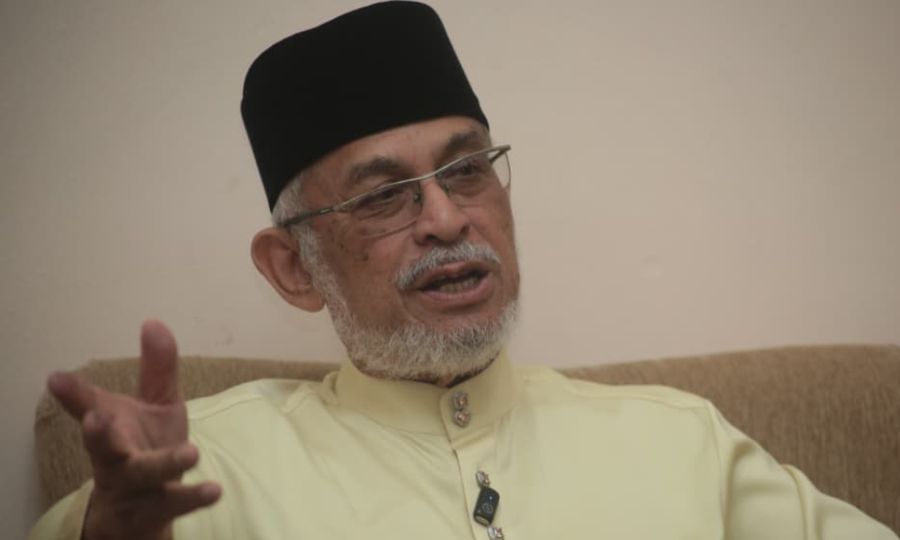
PAS merely a BN 'lackey' in Malacca polls pact - Khalid
Amanah leader highlights disproportionate distribution of seats.

South Korea to halt flights, delay work hours for 25-minute English test
South Korea will briefly halt takeoffs and landings, ask offices and businesses to start work later and add subway trains on Nov. 19 so 551,864 test-takers can reach the national college entrance exam on time and sit it undisturbed.

Vietnam Airlines to launch direct Da Nang-Singapore flights on Nov 17
Vietnam Airlines will launch daily direct flights between Da Nang and Singapore from Nov. 17, bringing the total frequency between Vietnam and Singapore to 42 round-trip flights per week.
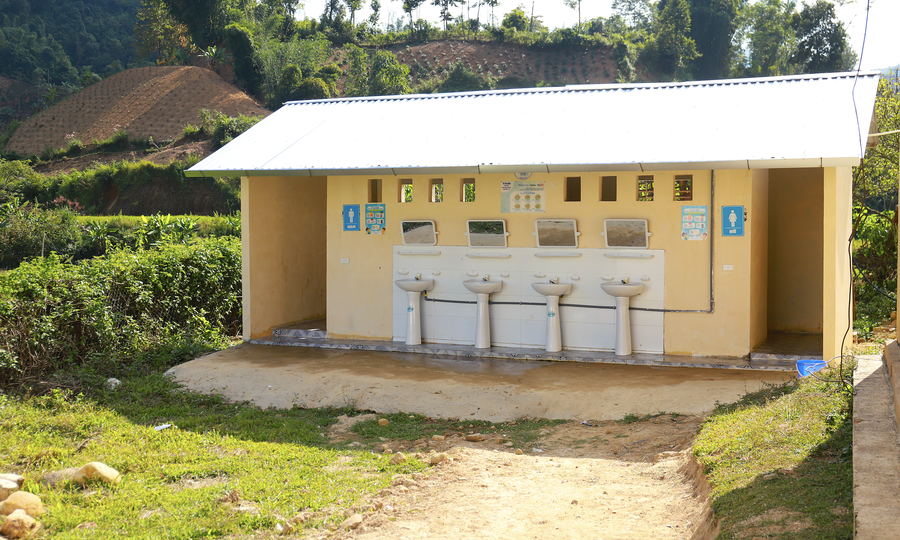
11 school sanitation facilities inaugurated in Son La
Hope Foundation, Opella Vietnam and BW Industrial on Oct. 22 handed over 11 school sanitation facilities across six communes in Vietnam's northern mountainous province of Son La, with total funding of nearly VND3 billion (US$116,100).
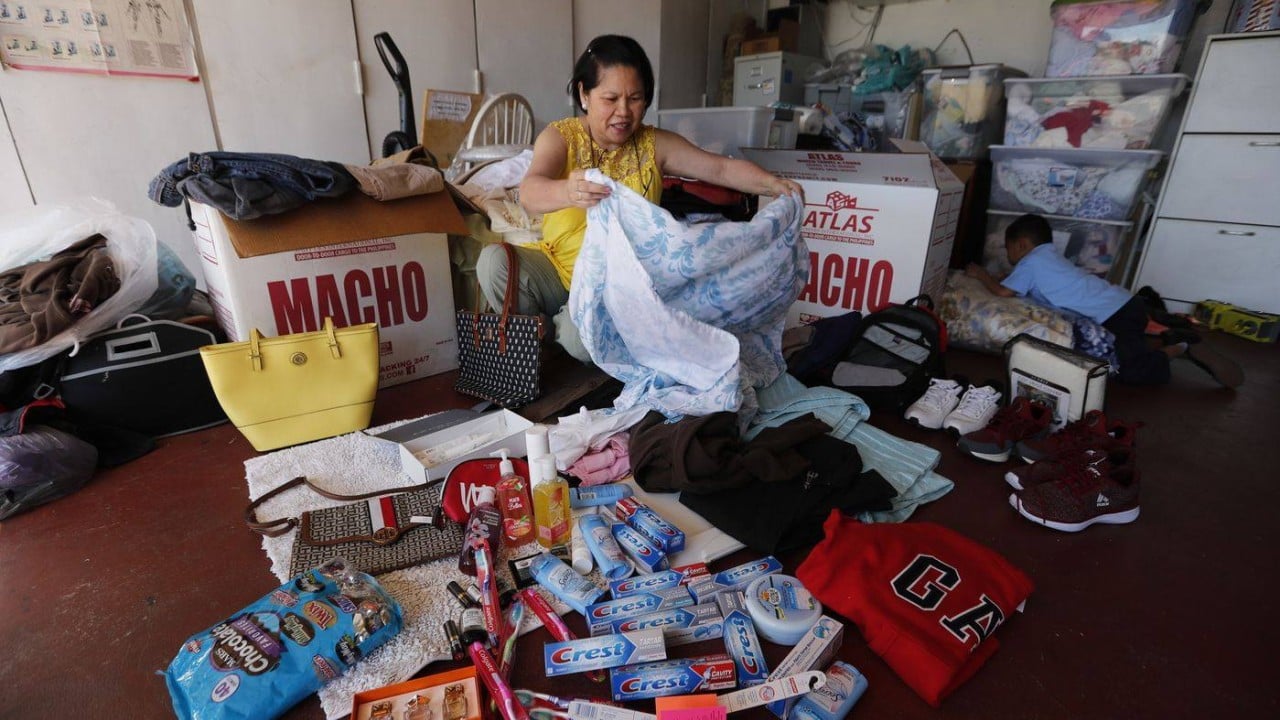
Overseas Filipinos feel heartache over missing parcels for loved ones, demand answers
At this time of year, Fatima Ramos would normally be preparing her balikbayan boxes. Overseas Filipinos typically fill these boxes with gifts, clothes, food and household items to send to their loved ones back home in the Philippines for Christmas. Ramos has previously sent the tax-exempt parcels to her family and Philippine charity organisations from Abu Dhabi, where she is a domestic worker. Now back in the Philippines, Ramos is seeking answers about the parcels she sent last year, some of...
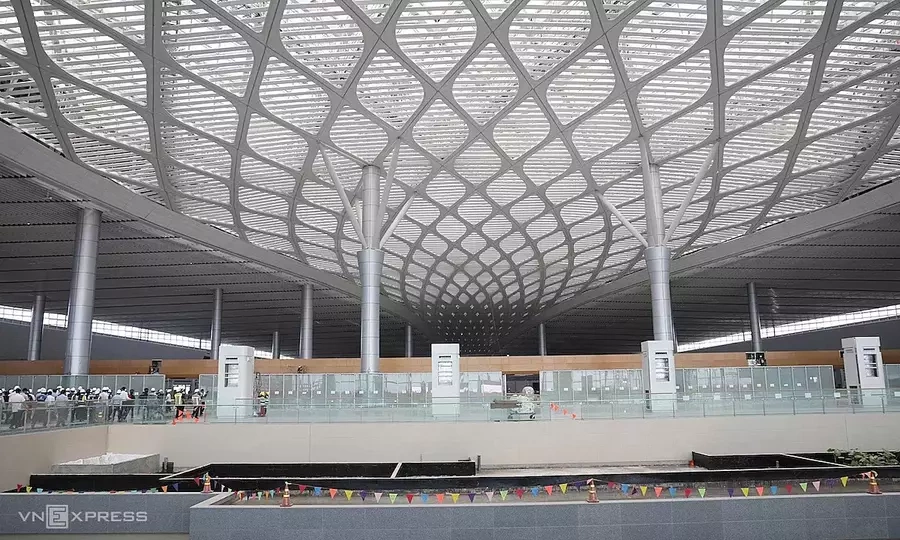
Vietnam's $13B airport Long Thanh short of skilled workers two months before opening
Four construction packages at Long Thanh International Airport, including its passenger terminal, risk falling behind schedule because of worker shortages and slow payments, Vietnam's Ministry of Construction has warned.

Teen livestreams alleged axe attack on teacher with phone strapped to his head
Malaysian police have arrested a 16-year-old student who allegedly attacked a teacher with an axe at a private school in Kuching, Sarawak, while livestreaming on Facebook.

Harapan yet to decide on form of cooperation with Bersatu in Malacca
Discussions ongoing ahead of candidate announcement tonight.

Taiwan warns of 'destructive winds' as Typhoon Champi batters island
A powerful typhoon pounded Taiwan on Friday as authorities warned of "destructive winds" and urged locals to shelter from the storm.
YOUR NEWS, OUR NETWORK.
Do you have Great News you want to tell the world?
Be it updates about your business or your community, you can make sure that it’s heard by submitting your story to our network reaching hundreds of news sites across 6 verticals.