John Sweetser Highlights a Practical Approach to Engineering Leadership

Mission architect and systems engineer shares how technical leaders can help high-potential engineers turn ambitious ideas into achievable solutions.
Littleton, Colorado Oct 23, 2026 (Issuewire.com) - Aerospace engineer and mission architect John Sweetser is drawing attention to an often-overlooked part of technical leadership: helping talented engineers understand the real-world constraints that determine whether an idea can move forward.
Sweetser has spent his career working across mechanical engineering, systems engineering, modelling, simulation, and spacecraft design. His experience has taken him from Sandia National Laboratories to Lockheed Martin and Sierra Space, followed by a transition to a smaller aerospace startup.
Across those roles, he has seen that some of the most difficult engineering problems are not caused by a lack of technical skill. They can emerge when highly capable people focus deeply on what is technically possible without accounting for schedule, risk, suppliers, customer needs, and the effects a decision may have on other systems.
Turning Technical Ability Into Mission Impact
Sweetser points to one experience involving an engineer he refers to as "Jeff" to protect the individual's identity.
Jeff had more than 20 years of experience in the space industry, a strong understanding of complex systems, and a high level of commitment to the mission. However, some of his concepts were difficult to implement because they relied on unproven technologies, introduced additional risk, conflicted with schedules, or required components that were not readily available.
For Sweetser, the answer was not to dismiss the ideas or exclude the engineer from the process.
"The challenge was not his technical ability or commitment," Sweetser says. "It was helping him account for the broader constraints that ultimately determine whether a strong engineering idea can move forward."
Sweetser began spending more one-on-one time working through the concepts. Instead of immediately explaining why an idea would not work, he used questions and whiteboard sessions to examine how it might actually be implemented.
That meant looking beyond the core technical concept to consider schedule limitations, technical risk, supplier availability, customer expectations, and the impact on surrounding systems.
Why Engineering Leaders Need to Explain the "Why"
Sweetser believes transparency becomes particularly important when a technically strong proposal is rejected.
"I believe there is nothing more important than honesty and transparency to be successful in any industry," Sweetser says. "Part of transparency is being able to engage in difficult conversations with critical customers, bosses and other coworkers."
In the example he shares, greater transparency changed the engineer's approach. Once the broader constraints became clearer, he began discussing concepts earlier and refining them before presenting them to larger groups.
Within several months, Sweetser says the engineer moved from being left out of some discussions to being sought out for guidance on other programs.
The experience reinforced a leadership principle Sweetser has carried into later roles: a rejected idea does not always mean the person behind it lacks judgment. Sometimes the engineer simply does not have access to the full set of constraints shaping the decision.
Asking Better Questions Before Building a Solution
Sweetser encourages engineers to widen their perspective before bringing a new concept to a team.
He recommends starting with three questions: What problem are we actually trying to solve? What assumptions are being made about technology readiness, schedule, or suppliers? Who and what other systems will be affected by the proposed change?
Those questions reflect the systems-level thinking that has become increasingly central to Sweetser's career.
His early work focused heavily on modelling and simulation for national security applications. He later moved into space vehicle design at Lockheed Martin before taking on broader technical leadership responsibilities at Sierra Space. Today, his work as a mission architect requires him to consider how individual engineering decisions fit into the goals and limitations of an entire mission.
For Sweetser, strong engineering leadership is not about limiting ambitious thinking. It is about giving ambitious ideas enough context to become useful.
About John Sweetser
John Sweetser is a mission architect, mechanical engineer, and systems engineer based in Littleton, Colorado. His career has included engineering and technical leadership roles at Sandia National Laboratories, Lockheed Martin, Sierra Space, and a smaller aerospace startup. His work has focused on modelling and simulation, space vehicle design, systems engineering, mission architecture, and technical leadership.
Sweetser earned bachelor's and master's degrees in mechanical engineering from the University of Colorado Boulder. Outside of his professional work, his interests include snowboarding, programming, ice racing, education, and sustainability.
Source :John Sweetser
This article was originally published by IssueWire. Read the original article here.
More News
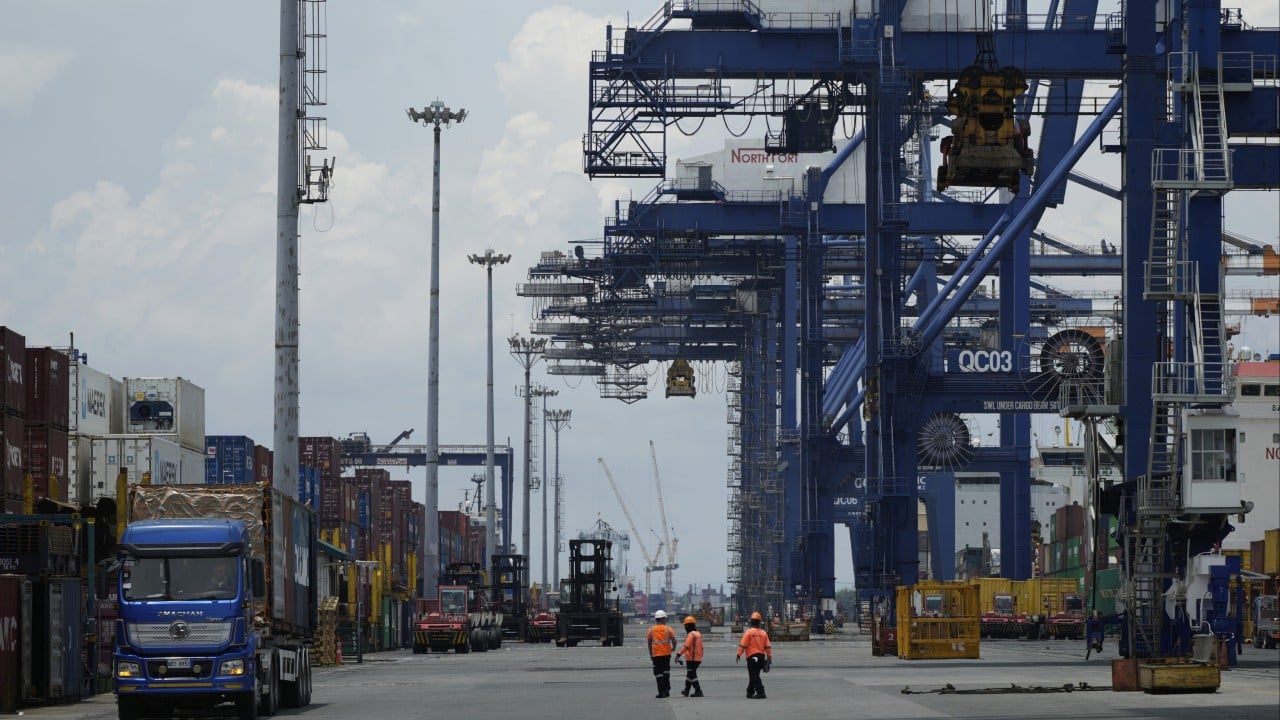
Climate damage to Philippine ports could cost US$70b a year by 2100
The Philippines faces the highest climate-driven port damage costs in Southeast Asia, with annual losses projected to hit US$70.2 billion by 2100, the Asian Development Bank (ADB) has warned. Analysts say the damage could cripple supply chains, drive up food prices and threaten livelihoods, urging Manila to adopt a more coordinated approach to flood protection rather than simply strengthening port infrastructure. In its latest report titled “Asia-Pacific Climate Report 2026: Coastal Risks on the...
Wan Saiful urges MACC to probe school meal tenders, flags firms with residential addresses
Tasek Gelugor MP claims only 70 were at actually located at business premises.
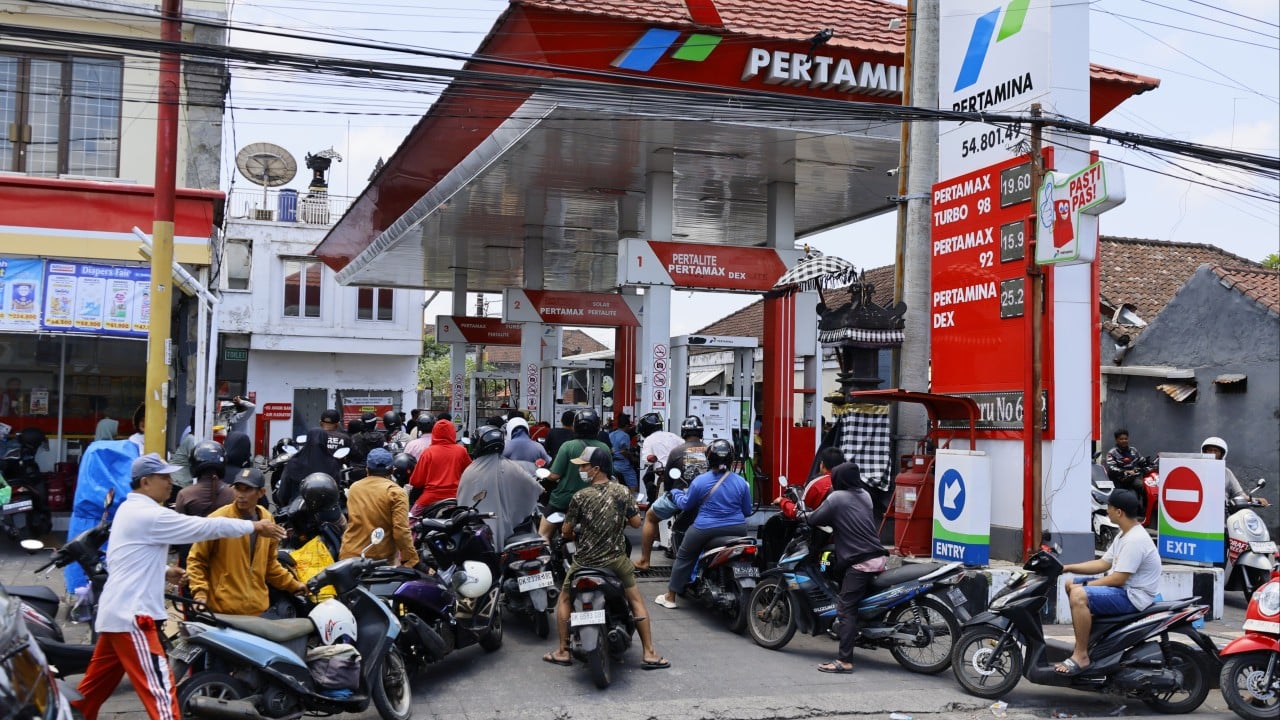
Indonesia defends Singapore gas cuts, cites rising domestic needs and contractual limits
Indonesia has defended its decision to cut natural gas exports to Singapore, citing domestic electricity and industrial needs and arguing that the reduction remains within contractual limits. The cuts came days after Indonesia’s energy minister warned that his country could stop exports to nations that “did not respect” it. On Monday, Energy Minister Bahlil Lahadalia defended the reduction of 31 million standard cubic feet per day in pipeline gas exports to Singapore, saying it represented about...
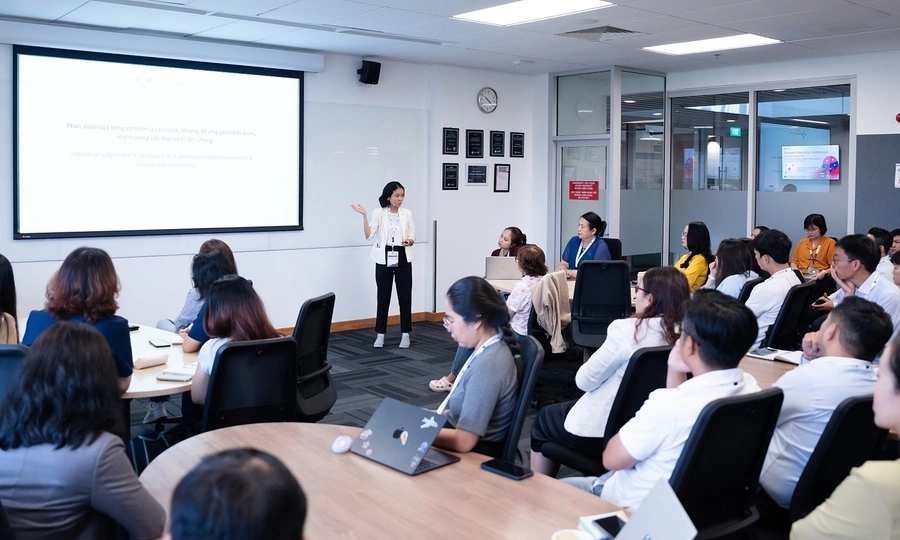
RMIT, partners convene over 550 experts to discuss youth wellbeing
More than 550 educators, mental health professionals, social workers and medical practitioners from Vietnam and abroad gathered at the Vietnam Wellbeing & Safeguarding Summit 2026 to discuss support for children and young people.

High Court rejects KLIA shooter's appeal to start seven-year sentence from 2024 arrest
Session Court's order lawful and fair, judge rules.

Langkawi's tax-free status not meant to help wealthy reduce taxes on luxury cars - Liew
Deputy minister responds to question on govt's review of RM300k threshold for vehicle tax exemptions on the island.

Man arrested at Hong Kong airport with cocaine allegedly received at Malaysian supermarket
A Chinese man arrested at Hong Kong International Airport with about two kg of suspected cocaine is believed to have obtained the drugs from a person at a supermarket in Penang, Malaysian police said.

2,000 people share fried chicken at 400-meter table on Seoul bridge to mark car traffic ban
Seoul laid a 400-meter table along Jamsu Bridge for a fried chicken feast on Oct. 25, hours before the 50-year-old Han River crossing closed to cars for good.

Indonesian NGO identifies 21 Malaysian-linked firms in forest fires behind haze crisis
UPDATED 5PM | Walhi's research findings contradict Putrajaya's claim that no M'sian firms involved, wants probe.

Vietnam, Poland establish strategic partnership, set $6B trade target
Vietnam and Poland established a strategic partnership on Oct. 26, setting a US$6 billion two-way trade target for 2030 and agreeing to deepen defense and security ties.

LFL to march to Parliament tomorrow, demand justice for Noorizwan
Group to push for immediate establishment of IPCMC.
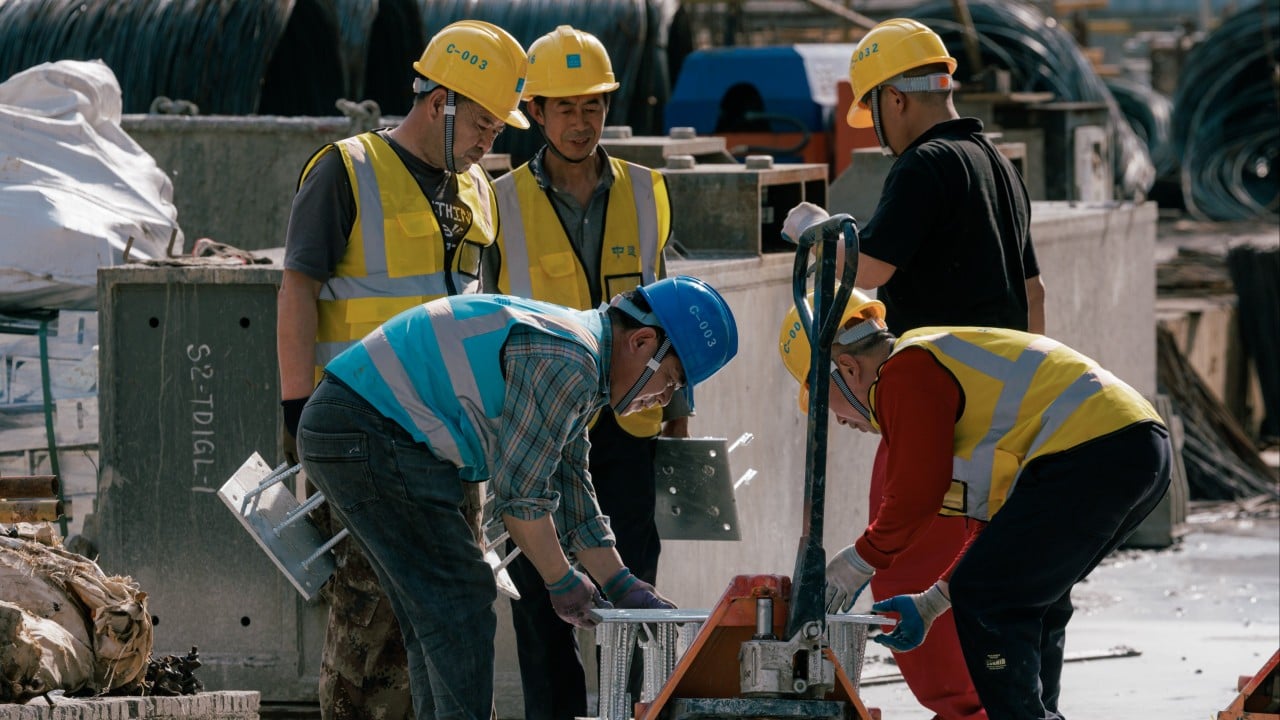
China may well be the next big competitor for Asian migrant labour
For decades, China was one of the world’s largest sources of migrant labour. Its workers staffed factories at home and built infrastructure abroad. But demographic decline may eventually force China to contemplate a striking reversal: importing workers on a meaningful scale. That change is not imminent. China still has a vast labour force and substantial youth unemployment. It is investing heavily in industrial automation, extending working lives through a gradual increase in the retirement age,...
YOUR NEWS, OUR NETWORK.
Do you have Great News you want to tell the world?
Be it updates about your business or your community, you can make sure that it’s heard by submitting your story to our network reaching hundreds of news sites across 6 verticals.