Global Times: Financial Street Forum highlights openness, win-win cooperation to advance high-quality BRI development
Beijing, China, October 22, 2026 -- According to the Global Times, Chinese and foreign government officials and industry representatives highlighted the importance of openness, win-win cooperation and financial innovation in advancing high-quality Belt and Road Initiative (BRI) development at a parallel forum of the Annual Conference of Financial Street Forum 2026 in Beijing on Wednesday, calling for stronger international cooperation to expand investment and financing opportunities.
Under the theme "Upholding Openness and Win-Win Cooperation to Foster New Dynamism for High Quality Belt and Road Cooperation," the forum, co-organized by the Export-Import Bank of China (CEXIM), brought together representatives from China and BRI partner countries to discuss infrastructure connectivity, sustainable financing and new opportunities for economic cooperation.
As a major financial institution supporting the BRI, CEXIM has extended more than 7 trillion yuan ($1.04 trillion) in loans to support the initiative over the past decade, with operations covering more than 130 partner countries, Chen Huaiyu, chairperson of the bank, said at the forum.
Chen said that the bank has continued to promote financial innovation and cooperation, including establishing a 30-billion-yuan special financing quota for China-Europe freight trains and creating the market's first basket of panda bonds involving BRI partner countries.
The bank has also explored diversified cooperation models with institutions including the New Development Bank and the World Bank to amplify the impact of financing, he said.
The growing economic ties between China and BRI partner countries have also been reflected in Beijing's expanding trade with these markets.
Vice Mayor of Beijing Tang Wenhong said that the Beijing has actively explored international markets under the initiative and launched its first freight train service to Central Asia.
In 2025, Beijing's total trade reached 3.19 trillion yuan, of which trade with BRI partner countries accounted for 1.93 trillion yuan, or 60.4 percent of the total, according to Tang.
While Chinese officials highlighted progress in financial support and trade connectivity, representatives from African countries emphasized the need for more diversified and sustainable financing to translate infrastructure investment into long-term economic development.
Kenya's Cabinet Secretary for the National Treasury and Economic Planning John Mbadi Ng'ongo said in remarks delivered from a satellite venue that the BRI has emerged as an important framework for strengthening connectivity, facilitating trade and investment, and expanding access to development finance.
For Kenya, infrastructure remains a key pillar of its national development agenda, with investment needed in the transport, energy, water, information and communication technology, and other critical sectors.
Achieving these objectives requires strong partnerships and access to adequate, affordable and sustainable financing, Mbadi said.
He welcomed growing collaboration among African countries, China, multilateral development institutions and the private sector in mobilizing resources for major development projects, noting that such partnerships also provide opportunities for knowledge sharing, technology transfer, capacity building and deeper economic integration.
Echoing the call for stronger financial cooperation, Lesotho's Minister of Finance and Development Planning Retselisitsoe Matlanyane highlighted China's experience in gradually opening its financial system while strengthening domestic institutions, saying that it offers lessons for African countries seeking to expand financial inclusion and access to capital.
On cooperation under the BRI, she said that the initiative has provided an important platform for strengthening connectivity, expanding economic cooperation and developing trade corridors. Such cooperation should be aligned with national development priorities and deliver tangible benefits to local communities, she added.
At Wednesday's forum, CEXIM signed cooperation agreements with international financial institutions and enterprises, covering financial cooperation, industrial development and overseas investment.
The growing emphasis on financial cooperation under the BRI reflects a shift toward more diversified and sustainable financing models, particularly as partner countries seek to address infrastructure gaps and support long-term economic growth, Hu Qimu, professor at the Maritime Silk Road Institute of Huaqiao University, told the Global Times on Wednesday.
The expert said that closer cooperation among Chinese financial institutions, multilateral development banks and local partners could help mobilize more capital, share investment risks and improve the efficiency of project financing. Such cooperation could also help translate infrastructure connectivity into tangible economic benefits by facilitating trade, attracting investment and creating local jobs, the expert noted.
The article first appeared in the Global Times:
https://www.globaltimes.cn/page/202610/1372743.shtml
Contact Info:
Name: Anna
Email: Send Email
Organization: Global Times
Website: https://www.globaltimes.cn/
Release ID: 89206990
In the event of encountering any errors, concerns, or inconsistencies within the content shared in this press release, we kindly request that you immediately contact us at [email protected] (it is important to note that this email is the authorized channel for such matters, sending multiple emails to multiple addresses does not necessarily help expedite your request). Our dedicated team will be readily accessible to address your feedback within 8 hours and take appropriate measures to rectify any identified issues or facilitate press release takedowns. Ensuring accuracy and reliability are central to our commitment.
More News

STR, Sara: Total aid the same in 2027, but less cash for low-income families
For families earning below RM2.5k, cash handout reduced by up to RM600, while Sara raised to RM1.8k.
Digital tools boost livelihoods in Nghệ An’s highlands
By applying technology to practical needs, local communities can reach wider markets and create more livelihood opportunities in their home areas.
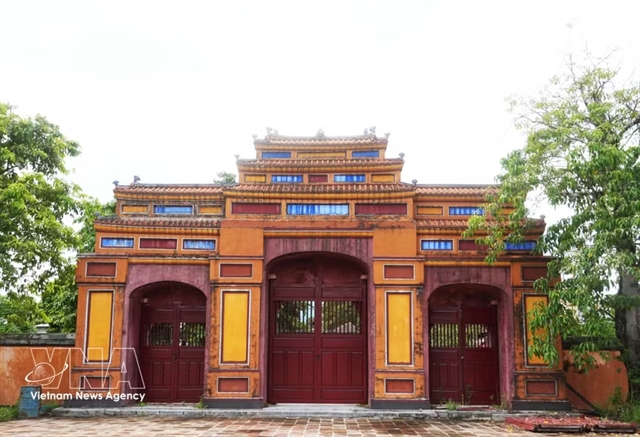
Huế accelerates restoration of Nguyễn Dynasty heritage sites
During 2026-30, the city plans to implement 27 projects to rehabilitate, restore and renovate heritage sites, with total investment estimated at more than VNĐ1.59 trillion.
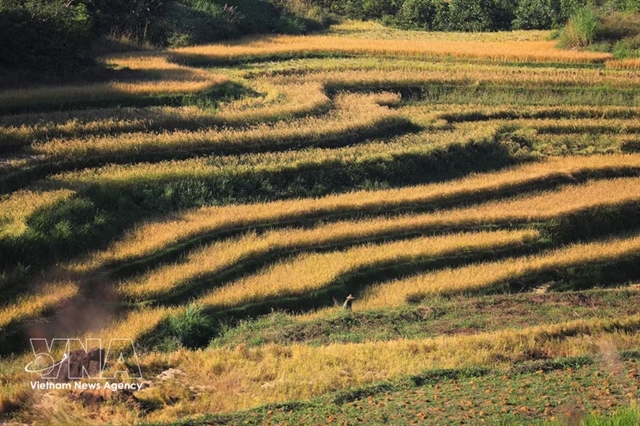
Miền Đồi terraced field festival attracts visitors to Phú Thọ Province
The festival helps promote the area’s natural beauty, Mường cultural identity and local agricultural products, while linking heritage preservation with tourism development to improve residents’ livelihoods.
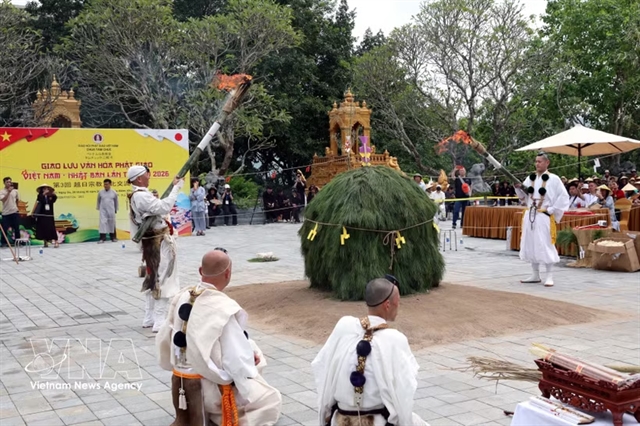
Ninh Bình hosts Việt Nam–Japan Buddhist cultural exchange festival 2026
The biennial festival, jointly hosted by the Việt Nam Buddhist Sangha (VBS), the provincial Buddhist Sangha and Tam Chúc Pagoda, returned to Việt Nam for the third time, featuring traditional religious rituals and cultural performances from both countries.
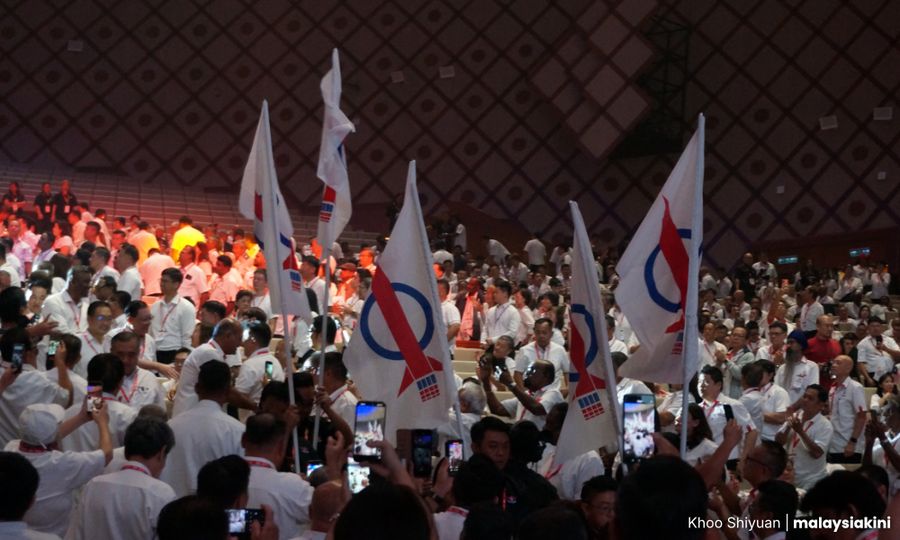
YOURSAY | DAP, look after your own party first
'Chong should tell his 'yes‑men' top guns to stop behaving like MCA 2.0.'

Hit Vietnamese song featured in British album
The hit Vietnamese ballad Nhật Ký Của Mẹ (Mom's Diary), composed by Nguyễn Văn Chung, has been featured in the album The Very Best Ballroom 10, released by British record label WRD Music.

Vietnamese students top South Korea's visa overstayers with over 26,200 cases
More than 26,200 Vietnamese students have overstayed their visas in South Korea, the highest number among all nationalities.
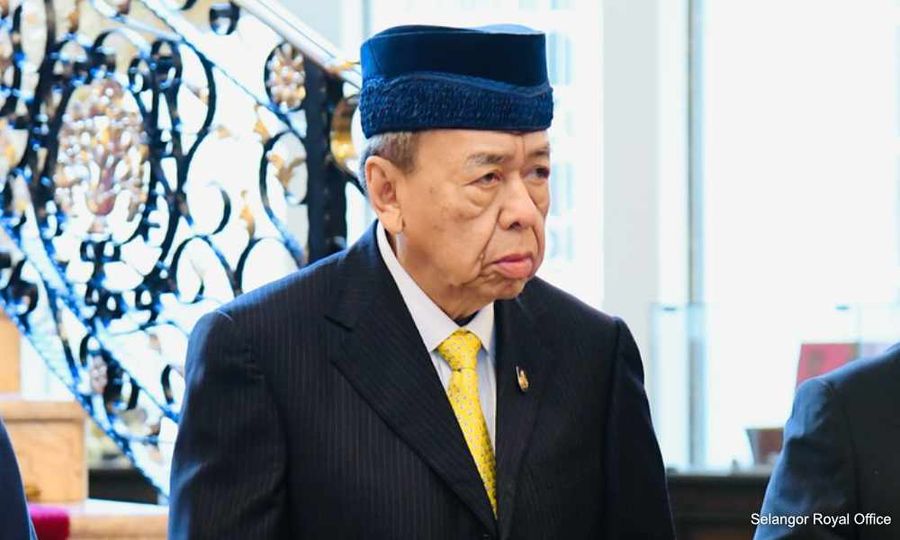
'I am also fed up': Political heroes and rabble-rousers test ruler's patience
S'gor sultan tells politicians to stop exploiting race and religion, keep royalty out of political squabbles.
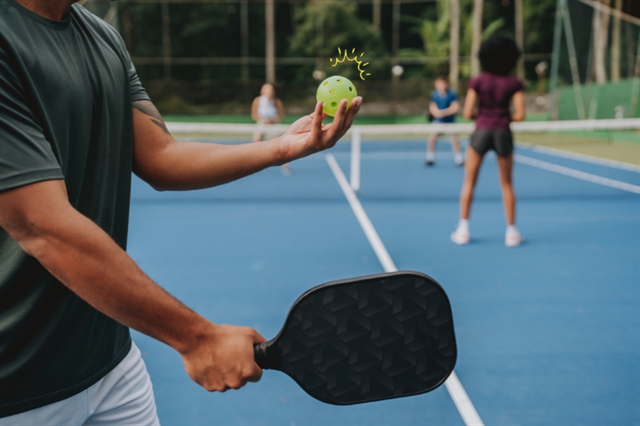
Pickleball is booming, but so are the injuries.
Pickleball injuries are on the rise. Learn about common knee, ankle, shoulder and back injuries, warning signs, and how to prevent them.
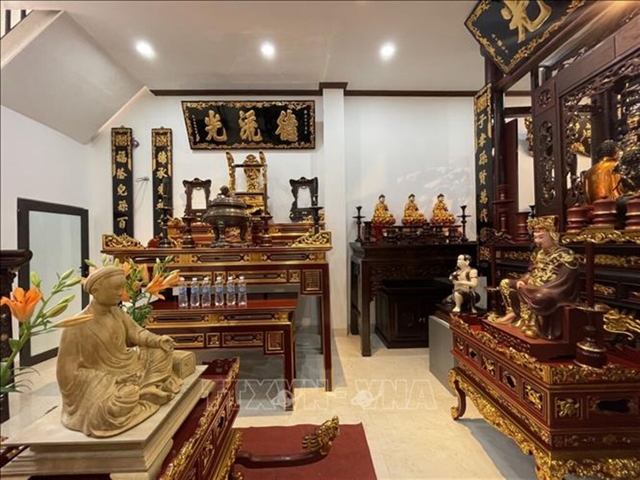
Sơn Đồng to make traditional craft a spearhead for tourism development
With its rich heritage of wood carving and lacquer craftsmanship, Sơn Đồng Commune has strong potential to become a distinctive cultural destination in Hà Nội, particularly following its inclusion in the global network of "Creative Craft Cities" recently.
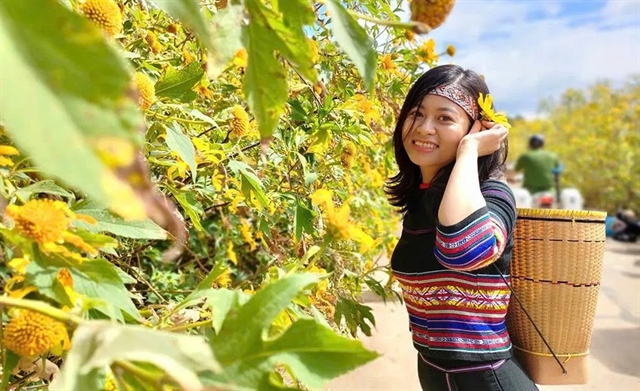
Golden wild sunflowers to set the scene for Gia Lai gong festival
The event is expected to bring together 1,487 artisans, including 1,207 from the province’s Bahnar, Jrai, H’rê, Chăm Hroi and Ê Đê ethnic communities and 280 from the 10 participating localities.
YOUR NEWS, OUR NETWORK.
Do you have Great News you want to tell the world?
Be it updates about your business or your community, you can make sure that it’s heard by submitting your story to our network reaching hundreds of news sites across 6 verticals.